
HOW TO CHOOSE SANITARY PADS
Choosing sanitary pads is an important aspect of women’s health and comfort, especially during the menstrual cycle. The right pads help prevent skin irritation, provide protection, and boost confidence.
Key Factors in Choosing Pads.
Absorbency Level: Pads come with different absorbency levels, often indicated by drops (1 to 6+) or terms (daily, normal, night). Daily (1–2 drops): For light discharge or the last days of the cycle. Normal (3–4 drops): For moderate discharge, suitable for most days. Night (5–6+ drops): For heavy discharge or nighttime use.Tip:Select pads based on the intensity of your flow on different cycle days. Keep multiple types on hand for flexibility.
Material: The material of the pads affects comfort and skin health. Breathable materials:Cotton or natural fibers reduce the risk of irritation and allergies. Hypoallergenic: Free of fragrances and dyes, ideal for sensitive skin. Synthetic: Often cheaper but may cause sweating or irritation with prolonged use. Tip: If your skin is prone to irritation, choose pads with a cotton top layer and no fragrances.
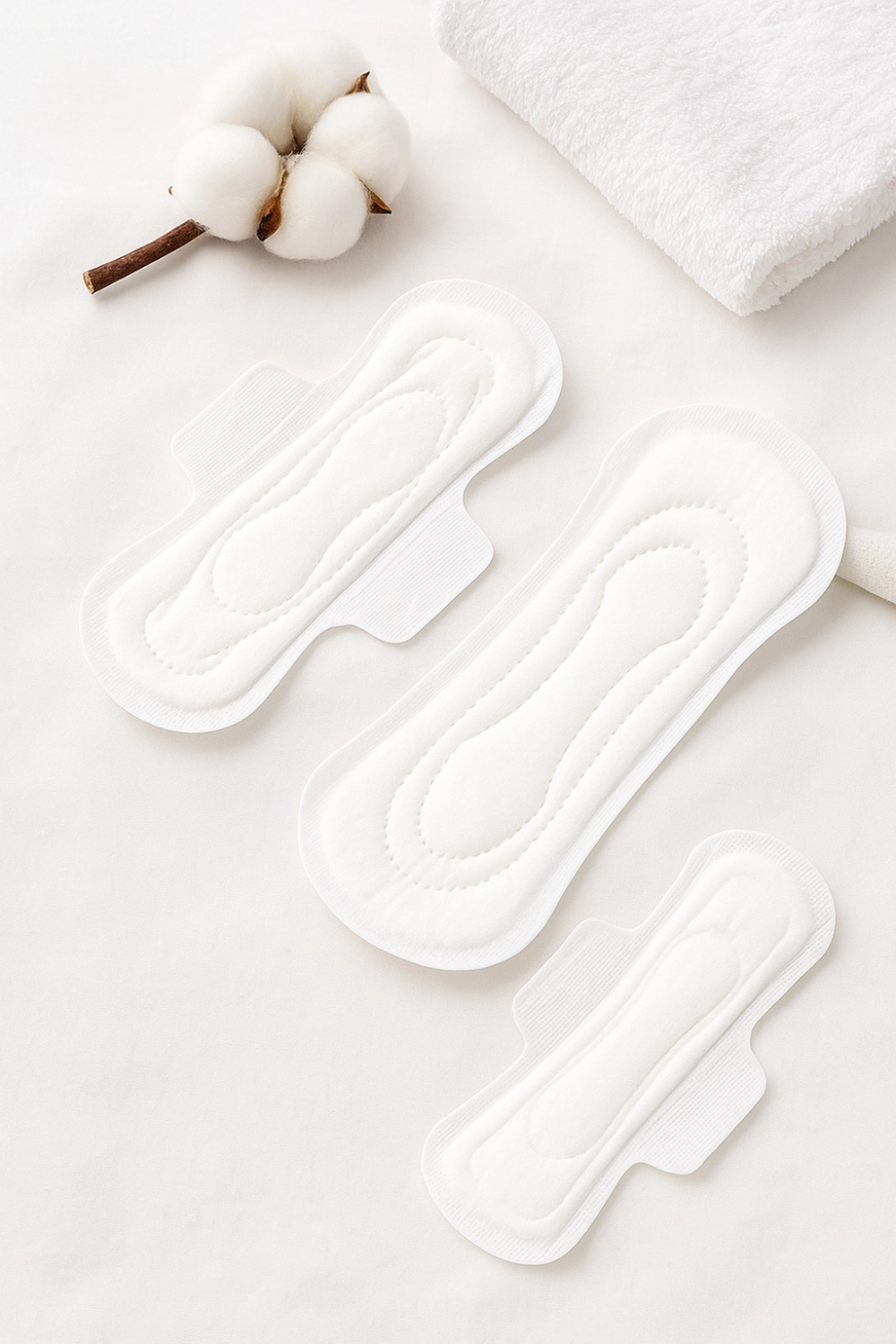
Size and Shape: Pads vary in length and shape for different times of day and activity levels. Daytime: Medium length (20–25 cm), suitable for an active lifestyle. Nighttime: Longer (30–40 cm) and wider at the back, providing protection during sleep. With wings: Offer better fixation and prevent leaks. Tip: For nighttime use, choose longer pads with wings for maximum protection.
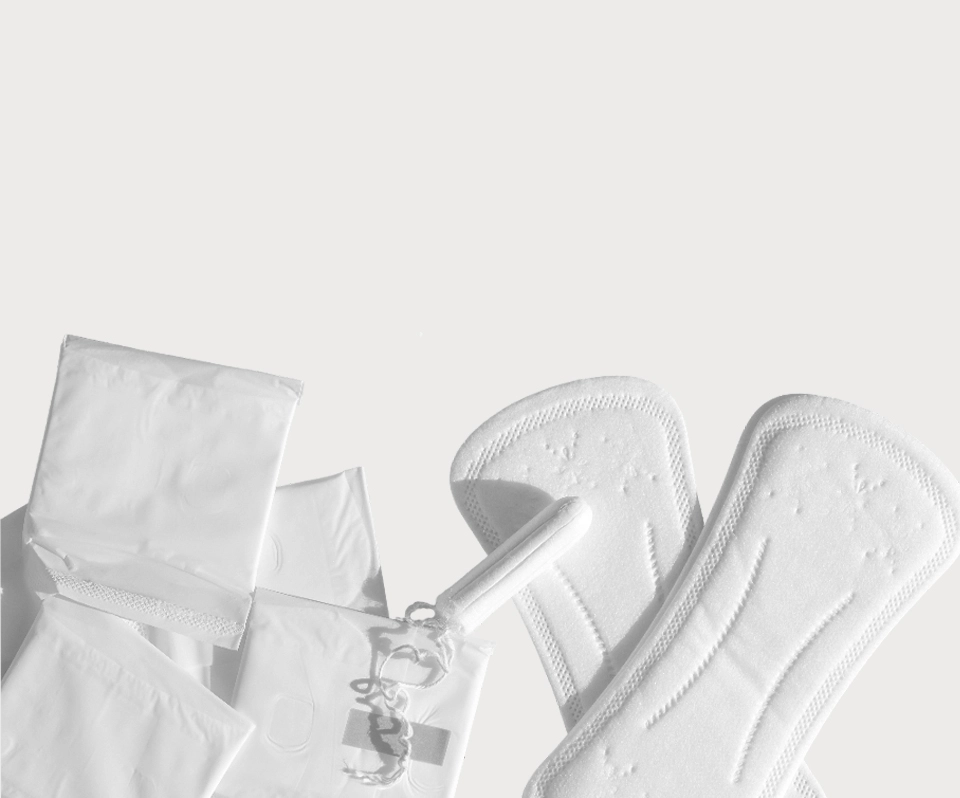
Skin type and sensitivity: During menstruation, the skin in the intimate area becomes more sensitive due to hormonal changes. Avoid pads with fragrances, as they may cause allergies or irritation. Look for products labeled “hypoallergenic” or “dermatologically tested. Tip: If irritation occurs, try pads with natural coverings and change them more frequently (every 4–6 hours).
Lifestyle and activity: Active lifestyle: Choose thin pads with high absorbency and wings for secure fixation. Calm routine: Standard or thicker pads work well for added comfort.
General recommendations.
- Change pads regularly: Every 4–6 hours, even with light discharge, to prevent bacterial growth and skin irritation.
- Maintain hygiene: Wash hands before and after changing pads, and use alcohol-free intimate wipes for hygiene.
- Store properly: Keep pads in a dry place to avoid moisture absorption or contamination.
- Monitor skin reactions: If itching, redness, or discomfort occurs, switch brands or consult a gynecologist.
Connection to skin care.
Pads come into direct contact with the skin, so their choice impacts its condition. Unsuitable materials or infrequent changes can cause irritation, especially during the menstrual and luteal phases when the skin is more sensitive. Choose breathable, hypoallergenic pads and pair them with gentle cleansers and moisturizers for the intimate area to minimize discomfort.
Conclusion.
Choosing pads is a personal process. Consider flow intensity, skin type, lifestyle, and material preferences. Try different options to find the perfect balance of comfort, protection, and skin care.
